2026
賀~論文正式發表 · IET Intelligent Transport Systems · First & Corresponding author
Assistant Professor · Director, AICV Lab
Artificial Intelligence & Computer Vision Laboratory
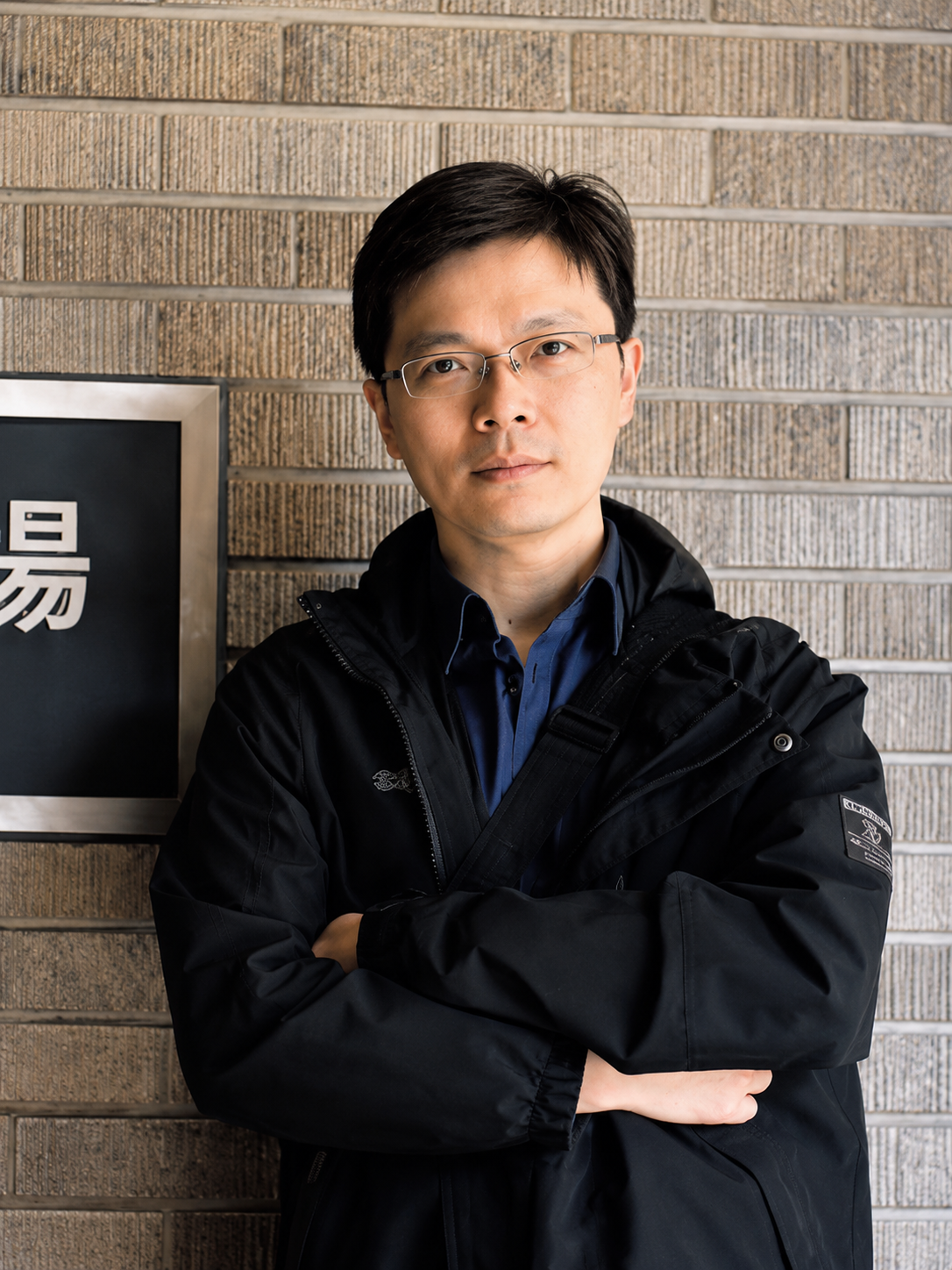
黃仲誼博士目前任教於國立中興大學資訊管理學系。在投入學術界之前,黃老師曾於台灣超級電腦的發源地——國家實驗研究院-國家高速網路與計算中心(NCHC)擔任研究人員長達十三年時間,長期深耕於人工智慧、資料科學與智慧城市等前瞻領域,累積了豐厚的學術能量與許多大型專案實務經驗,曾榮獲國科會未來科技獎與諸多全球重大研討會比賽冠軍。其研究興趣涵蓋機器學習、電腦視覺、智慧交通與實務系統開發,重視研究與真實問題的連結,也期待技術能回應產業與社會的實際需求。
黃老師的期許:希望實驗室成員能時刻保持好奇、主動學習,從閱讀、實作與討論中,逐步建立獨立研究與解決問題的能力。專業能力之外,誠信、責任感、溝通與團隊合作同樣重要。
未來,實驗室將持續深化人工智慧與資料科學研究,推動跨領域、產學及國際合作,讓每位成員都有機會參與完整的研究流程,在實踐中累積能力,逐漸找到自己的方向。
First-place finishes at the field's flagship competitions, plus national technology honours.
Warehouse Spatial Question Answering with an LLM Agent.
Smart Traffic Congestion Warning & Police Duty Support System.
UAV-based Multi-Object Re-identification & USV-based Multi-Object Tracking.
Multi-Modal Visual Pattern Recognition Challenge.
Top accuracy in the AI City Challenge workshop.
Recognised for applied AI innovation.
Six intersecting directions, united by a single goal: making perception systems that are accurate, efficient and explainable.
Lightweight, robust architectures — from xLSTM to recurrent models that survive missing data in the real world.
Multi-object tracking, re-identification and detection across UAV, maritime and urban surveillance scenes.
Image processing and analysis pipelines that bring deep learning to clinical and biomedical data.
Traffic forecasting, congestion warning and signal optimisation for intelligent transportation governance.
Grounded multi-agent LLM frameworks for interpretable risk assessment and spatial question answering.
Retrieval-augmented and pattern-recognition methods that turn raw sensor streams into actionable insight.
The five most recent journal papers from the AICV Lab, newest first.
Complete list of journal publications — C.-I. Huang shown in bold.
Principal Investigator and Co-Principal Investigator roles on funded research projects.
Four granted patents in Taiwan (ROC) and the United States — all as first inventor.
本實驗室聚焦於人工智慧、機器學習、電腦視覺、智慧交通與資料科學等研究議題,重視研究成果在真實場域中的應用與驗證。我們從實際問題出發,結合資料分析、演算法設計與系統開發,思考人工智慧如何回應產業發展、城市治理與社會需求。
研究的價值不只在於提出新的方法,更在於能否清楚定義問題、嚴謹驗證成果,並將技術轉化為可理解、可使用且具有實際影響力的系統。實驗室鼓勵成員保持好奇、主動思考並勇於嘗試,同時重視團隊合作、研究倫理與跨領域溝通。
老師期許每一位成員都能從實作中累積能力,在討論與合作中修正觀點,逐步培養獨立研究、解決問題與承擔責任的能力。
Our laboratory focuses on artificial intelligence, machine learning, computer vision, intelligent transportation, and data science, with particular emphasis on applying and validating research outcomes in real-world settings. Starting from practical problems, we integrate data analysis, algorithm design, and system development to examine how artificial intelligence can address the needs of industry, urban governance, and society.
The value of research lies not only in proposing new methods, but also in defining problems clearly, validating results rigorously, and transforming technologies into understandable, usable, and impactful systems. The laboratory encourages members to remain curious, think independently, and explore new ideas, while also valuing teamwork, research ethics, and interdisciplinary communication.
Our advisor expects every member to develop practical skills through hands-on experience, refine their perspectives through discussion and collaboration, and gradually build the ability to conduct independent research, solve problems, and take responsibility.
Industrial Chair, IEEE Conference on Advanced Video and Signal-Based Surveillance (AVSS)
Adjunct Assistant Professor, Power Mechanical Engineering, National Tsing Hua University
Co-director, Ministry of Education AI Talent Cultivation Program
AI Course Instructor, Accounting Information Systems, Providence University
Best Industry-Academic Application Value Award, National University Software Competition
Open to research collaboration, graduate-student inquiries, and industry partnerships in AI and computer vision.
schumi@nchu.edu.tw